Festivals · July 18, 2026
What a nine-day festival load-in actually looks like
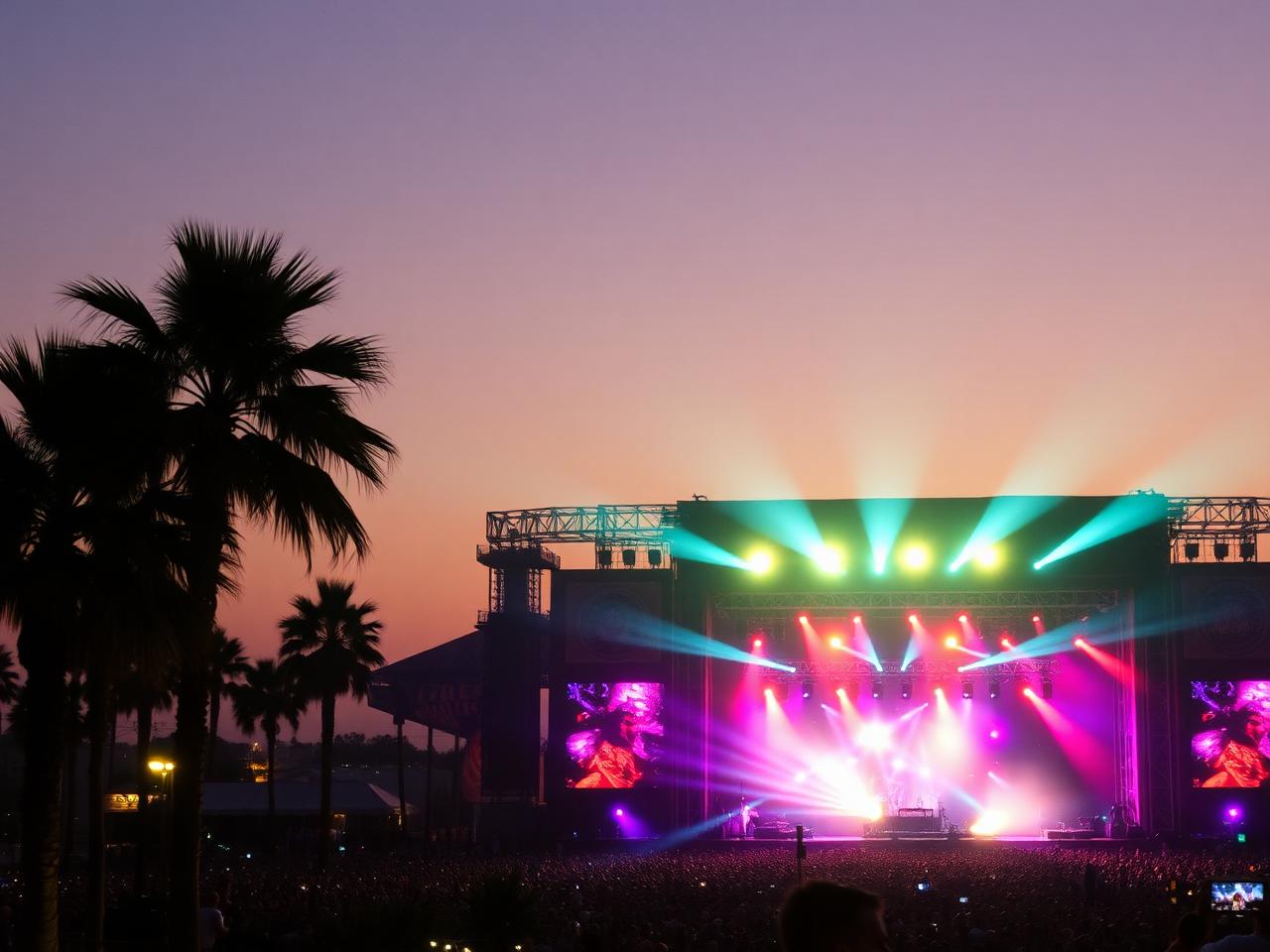
Three stages, shared power, and a site that was an empty field on Monday. Here's how our crew sequences a multi-stage festival build without stepping on itself.
By CCS Crew
Every festival starts the same way: an empty field and a calendar that refuses to move. The difference between a smooth show and a scramble is almost always sequencing — deciding what happens on which day, in which order, so that no department is ever waiting on another.
Day one is power, not stages
Before a single piece of truss goes up, we land generators and run distro. Getting clean, metered power to every stage position first means audio, lighting, and video can all start prepping the moment their trucks hit the lot.
Build from the back of the room forward
We rig motors and top-hang the main stage roof, then work downstage. Each department focuses their gear only after the structure is certified and the rigging plot is signed off.
- Roof and PA wings go up together
- LED and lighting share the downstage truss call
- Audio tunes during the first quiet window, usually overnight
Leave a day for the unglamorous stuff
The ninth day isn't a buffer for disasters — it's for focus, tuning, and rehearsals. If you've sequenced the first eight right, the last one is calm. That calm is the whole point.
Most of it is bought months earlier, in tour planning and staging that treat the build as an engineering problem before it becomes a labor one. Every motor plot and bridle on our stages is signed off against the ESTA/ANSI entertainment rigging standards — the closest thing our industry has to a shared safety code.
If your event is a festival build in California, our festival production and staging teams can walk you through the same sequencing on your site.